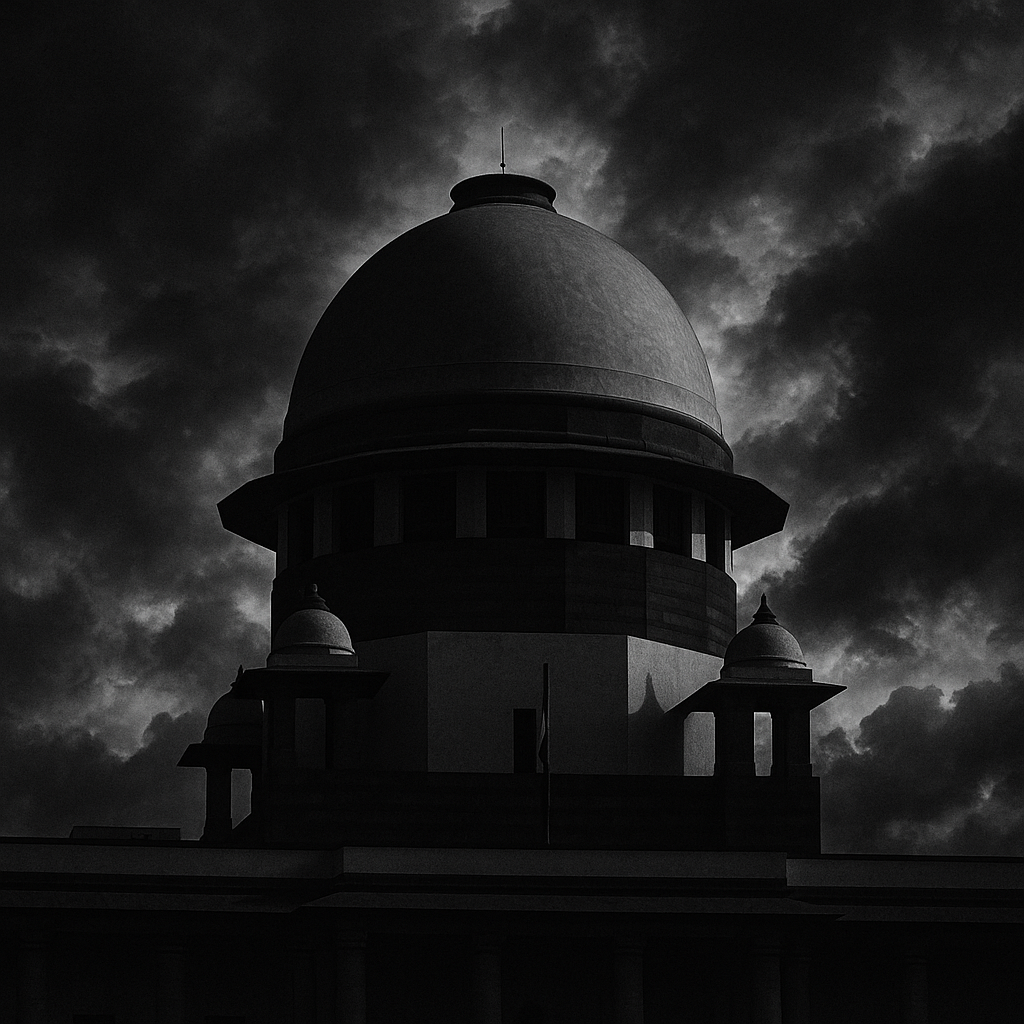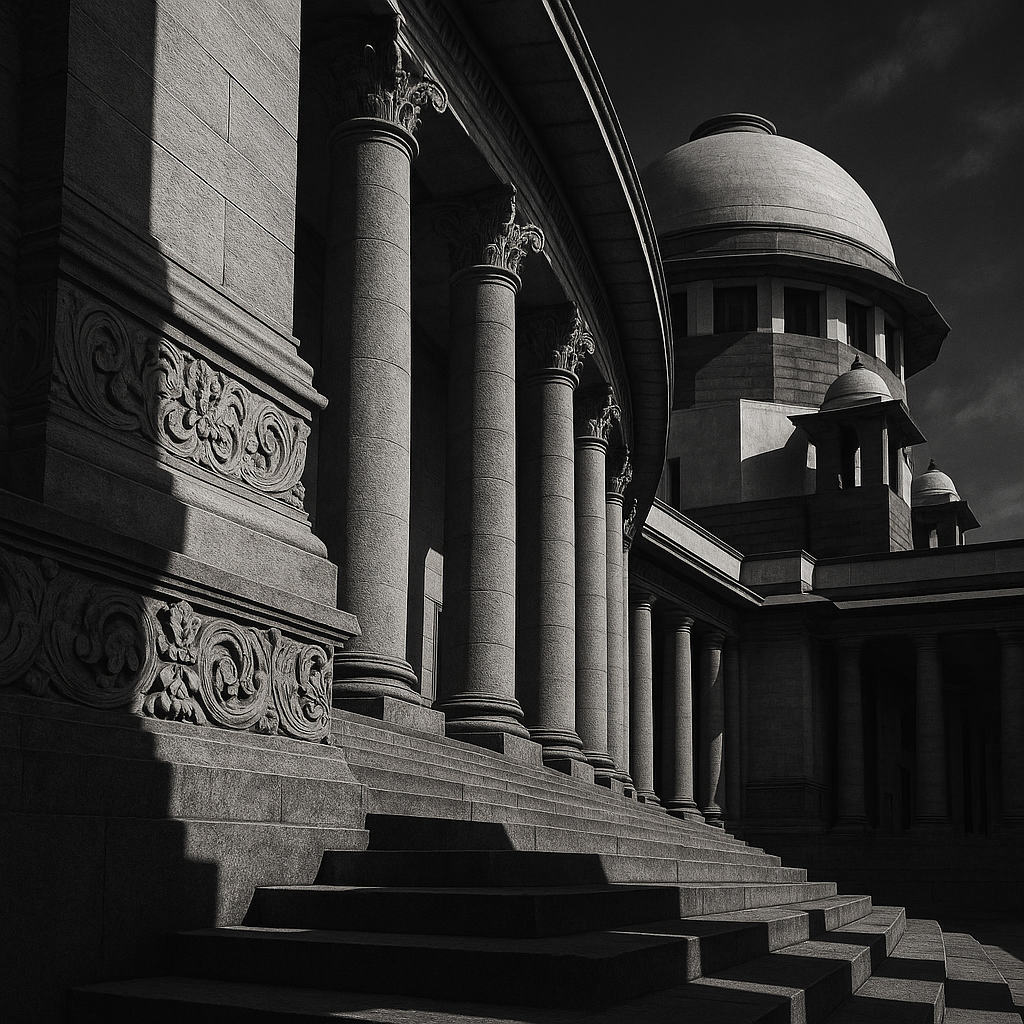


The Supreme Court of India has issued new guidelines to delineate the powers of legislative bodies in imposing punishment, a move aimed at preventing potential misuse of these powers. This decision comes amid growing concerns about the extent to which legislative bodies can exercise their authority in matters of contempt and disciplinary actions.
The guidelines, which address the scope of legislative punishment powers, are a significant step in clarifying the constitutional provisions under Articles 105 and 194, which grant privileges to members of Parliament and state legislatures. These articles, while empowering legislative bodies to maintain order and discipline, have often been criticized for their potential to be misused in silencing dissent or penalizing political opponents.
Historically, legislative bodies in India have wielded the power to punish for contempt or breaches of privilege. This power is critical for maintaining the sanctity and decorum of legislative proceedings. However, the lack of clear boundaries often leads to arbitrary actions, raising questions about the balance between privilege and accountability.
The Supreme Court’s guidelines aim to strike this balance by clearly defining the limits within which legislative punishment powers can be exercised. The guidelines are expected to serve as a reference point for legislative bodies, ensuring that these powers are not exercised in a manner that infringes upon democratic principles or individual rights.
Legal experts believe that this move by the Supreme Court will have profound implications on how legislative bodies handle contempt and other disciplinary actions. By providing a framework for the exercise of these powers, the guidelines are likely to reduce instances of their misuse, thereby upholding the integrity of legislative processes.
The decision also underscores the judiciary’s role in interpreting constitutional provisions and ensuring that legislative actions conform to the principles of justice and fairness. It reflects an ongoing effort to reinforce the checks and balances inherent in India’s democratic system, where legislative bodies are accountable not only to the electorate but also to the rule of law.
As legislative bodies across the country adapt to these new guidelines, the emphasis will likely be on fostering a culture of accountability and transparency. This could lead to more robust legislative debates, free from the fear of arbitrary punitive measures, thereby strengthening the democratic fabric of the nation.
In conclusion, the Supreme Court’s guidelines on legislative punishment powers represent a pivotal moment in India’s legal landscape. They not only provide clarity on the constitutional limits of legislative authority but also reinforce the importance of safeguarding democratic values against potential abuses of power.